Best Espresso Grinders in October 2026
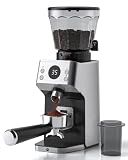
AAOBOSI Espresso Coffee Grinder, Anti-Static, 45 Grind Settings,40s Timer
-
CUSTOMIZE YOUR BREW: 45 GRIND SETTINGS FOR EVERY COFFEE METHOD!
-
MESS-FREE GRINDING: ANTI-STATIC DESIGN KEEPS YOUR COUNTERS SPOTLESS.
-
PRECISION CONTROL: LED DISPLAY FOR ACCURATE CUP AND TIME SELECTION.


SHARDOR Electric Coffee Grinder, 70g Large Capacity Spice Grinder with Visual Timing Knob for Precise Grind, Quiet Coffee Bean Grinder for Espresso, French Press, Herbs and Grains, Black
- ACHIEVE PERFECT GRIND CONSISTENCY WITH PRECISE TIMING CONTROL.
- 70G CAPACITY GRINDS UP TO 12 CUPS; IDEAL FOR SPICES AND HERBS TOO.
- ULTRA-QUIET DESIGN ENSURES PEACEFUL GRINDING FOR EARLY MORNINGS.
Wancle Electric Coffee Grinder, Spice Grinder, One Touch Coffee Mill for Beans, Spices and More, with Clean Brush Black
- EFFORTLESS GRINDING WITH COPPER MOTOR & STAINLESS STEEL BLADES!
- ONE-BUTTON OPERATION FOR COARSE OR FINE COFFEE IN SECONDS.
- VERSATILE GRINDER SAVES SPACE; PERFECT FOR BEANS, SPICES, AND MORE.
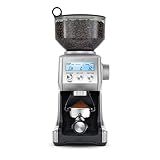
Breville BCG820BSS Smart Grinder Pro, Brushed Stainless Steel
- 60 GRIND SETTINGS FOR PERFECT COFFEE FROM ESPRESSO TO FRENCH PRESS.
- PRECISION DIGITAL DOSING FOR EXACT GRIND TIME CONTROL, BOOST CONSISTENCY.
- LCD DISPLAY SHOWS SETTINGS AND TIME, ENSURING EFFORTLESS BREWING.
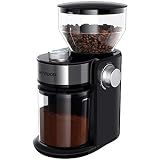
SHARDOR Electric Burr Coffee Grinder 2.0, Automatic Coffee Bean Grinder for Home Use, Adjustable Burr Mill with 16 Precise Settings for Espresso & French Press, Glossy Black
- UNIFORM BURR GRINDING: ENSURES RICH AROMA WITH CONSISTENT, EVEN GROUNDS.
- 16 PRECISE SETTINGS: CUSTOMIZE GRIND SIZE FROM ESPRESSO TO FRENCH PRESS EASILY.
- HANDS-FREE OPERATION: AUTO-STOP FEATURE FOR 2-14 CUPS, NO WASTE OR HASSLE.
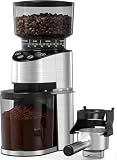
Oaomi Conical Burr Coffee Bean Grinder,50 Setting,1-30Second Timer(Silver)
-
PRECISION GRINDING: 50 SETTINGS FOR PERFECT COFFEE, EVERY TIME!
-
EASY CLEANUP: ANTI-STATIC TECH KEEPS YOUR WORKSPACE TIDY!
-
QUICK BREWING: GRIND DIRECTLY INTO PORTAFILTER TO SAVE TIME!
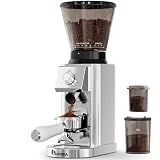
IAGREEA Coffee Grinder for Home Use, Conical Burr Espresso Grinder 48 Grind
-
PERFECT GRIND FOR ANY BREW WITH 48 CUSTOMIZABLE SETTINGS!
-
PRESERVE FLAVOR WITH LOW-SPEED GRINDING FOR OPTIMAL AROMA!
-
MESS-FREE EXPERIENCE WITH ANTI-STATIC DESIGN & EASY CLEANUP!
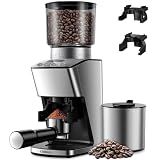
KIDISLE Conical Burr Coffee Grinder Electric, Espresso Grinder for Home Use, Burr Mill with 51 Grind Settings, Precision Electronic Timer, Stainless Steel Container
- PRECISION GRINDS: 51 SETTINGS FOR PERFECT ESPRESSO TO FRENCH PRESS.
- CUSTOM GRIND CONTROL: SET TIMER FOR 1-60 SECONDS, UP TO 12 CUPS.
- EASY CLEANUP: ANTI-STATIC DESIGN KEEPS GROUNDS CONTAINED AND MESS-FREE.
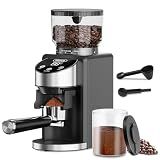
Gevi Burr Grinder, 35 Settings Espresso Drip French Press,Anti-Static Black
- 35 GRIND SETTINGS FOR PERSONALIZED COFFEE THICKNESS PERFECTION.
- LARGE 240G BEAN CAPACITY; GRIND UP TO 130G FOR CONVENIENCE.
- EASILY SELECT 1-14 CUPS; PERFECT GROUNDS EVERY TIME!
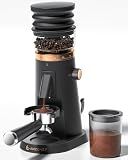
AMZCHEF Single Dose Burr Grinder, 75 Settings, Quiet DC Motor, Oro Rosa
- 75 GRIND SETTINGS FOR PERFECT BREW EVERY TIME!
- <0.2G LOW RETENTION: MAXIMIZE FLAVOR, MINIMIZE WASTE!
- ANTI-STATIC DESIGN: NO MORE MESS, JUST SMOOTH GRINDING!
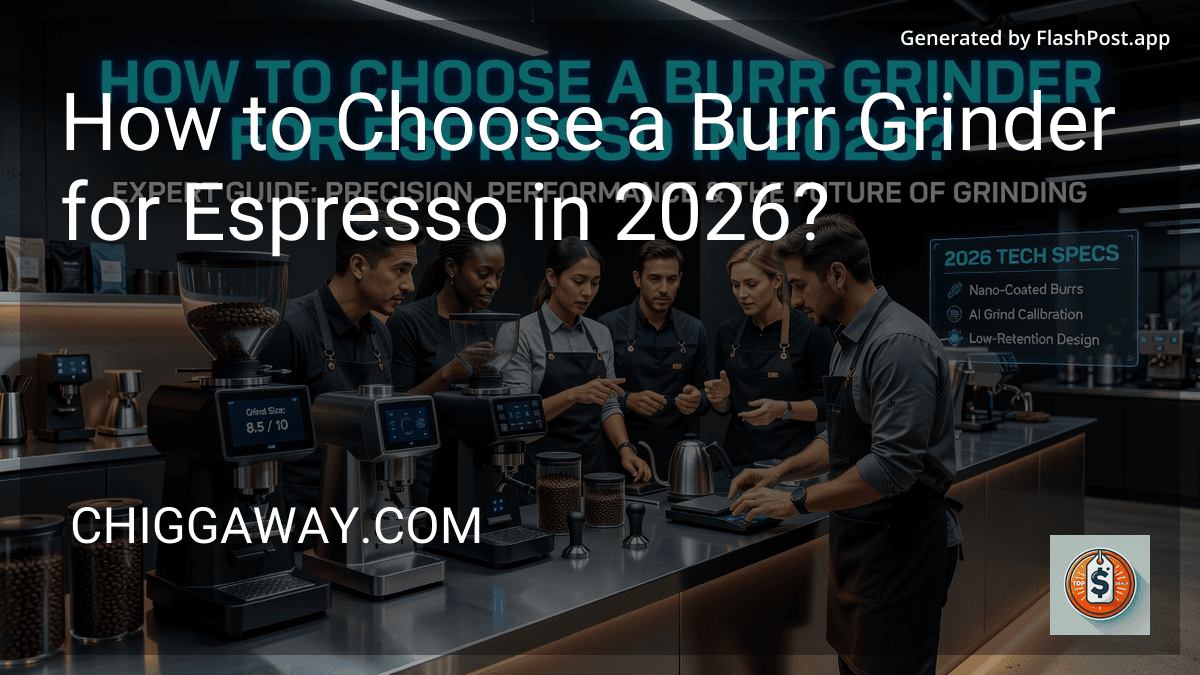
If you’re asking How to Choose a Burr Grinder for Espresso in 2026?, start with one hard truth: a grinder that’s off by just 20–30 microns can turn a balanced 28-second shot into a sour 18-second gush or a bitter 40-second choke. Espresso is brutally sensitive, and that’s why the grinder-not the machine-is usually the first upgrade experienced home baristas make.
I’ve tested enough grinders to know the pattern. People blame “bad beans” or their espresso machine, but the real culprit is often inconsistent particle size, clumping, or a grind range that jumps too far between settings. If you want syrupy body, repeatable extractions, and less wasted coffee, the grinder decision matters more in 2026 than ever.
This guide breaks down How to Choose a Burr Grinder for Espresso in 2026? with practical buying criteria, budget tiers, real review patterns, and the red flags that separate a good espresso grinder from an expensive disappointment.
How we select products: Our team reviews grinders daily, analyzing customer ratings (4.0+ stars minimum), pricing trends, burr design, adjustment range, retention, warranty terms, and real buyer feedback across major retailers and specialty coffee communities. We prioritize grinders that deliver consistent espresso particle distribution, stable workflow, and strong long-term value.
Why is espresso grinder choice more critical in 2026 than it was a few years ago?
Espresso expectations have gone up. More home users now pull shots with lighter roasts, precision baskets, and brew ratios like 1:2 in 25–35 seconds, which expose grinder flaws fast. A mediocre grinder that seemed “fine” in 2022 gets exposed the minute you try dialing in modern espresso.
There’s also more noise in the market. Plenty of grinders now advertise zero retention, stepless adjustment, or “espresso capable,” but many still produce too many fines or have oversized adjustment steps. If you take a look at current buying discussions, you’ll notice users care less about marketing claims and more about repeatability shot after shot.
The other big shift is workflow. In 2026, buyers expect cleaner dosing, lower static, quieter motors, and easier burr access for cleaning. Those aren’t luxury extras anymore; they directly affect how often you actually enjoy using the grinder.
How to Choose a Burr Grinder for Espresso in 2026? Start with burr type, not marketing
If you only remember one section, make it this one. Burr grinders for espresso live or die by burr geometry, not by buzzwords on the box.
Flat burr vs conical burr for espresso: what changes in the cup?
Flat burrs usually deliver tighter particle distribution and more clarity. That often means brighter acidity, sharper flavor separation, and cleaner shots-especially with light to medium roasts.
Conical burrs tend to produce slightly more bimodal distribution, which can translate to heavier body and more forgiving extraction. If you like chocolatey, syrupy espresso and a little more texture, conicals often suit that preference.
Neither is automatically better. The key is whether the grinder can make small, repeatable adjustments in the true espresso range.
Why burr size matters more than most buyers think
Larger burrs often grind faster and generate less heat at the same output. In practical terms, a grinder with larger burrs can give you lower grind time variance, better flavor stability across back-to-back shots, and less stress when making drinks for two or three people.
That said, burr size alone isn’t enough. A smaller burr set with excellent alignment can outperform a larger, poorly aligned one every day.
What should you look for in an espresso burr grinder? 7 buying criteria that actually matter
If you want a direct answer to How to Choose a Burr Grinder for Espresso in 2026?, evaluate these seven points in order.
1. Does it have true espresso adjustment range?
Look for stepless or extremely fine-stepped adjustment. Espresso often needs tiny changes-sometimes one click is already too much. Grinders with wide steps force you to compensate by changing dose or tamp pressure, which is a frustrating workaround.
A good rule: if users regularly report dialing in within a 2–5 second shot-time window using grind adjustments alone, that grinder is working in the proper espresso zone.
2. How consistent is the particle size distribution?
Uniform grounds help water flow evenly through the puck. Inconsistent particle size creates channeling, where water finds weak spots and over-extracts some areas while under-extracting others.
Look for review language like:
- low clumping
- repeatable extractions
- stable shot times
- fewer choke/gusher swings
- better puck prep
Those phrases tell you more than generic “great grinder” ratings.
3. How much retention does it have?
Retention is the coffee left behind inside the grinder after grinding. In espresso, even 0.5 to 1 gram of retained coffee can throw off flavor and freshness, especially if you single dose.
Low retention matters most if you switch beans often. If you keep one bag in a hopper and pull several shots daily, it matters slightly less-but it still affects consistency.
4. Is the burr alignment stable?
Poor alignment causes uneven grinding even with good burrs. This is one reason two units of the same model can perform differently.
You won’t always see “alignment” in retailer specs, so look for owner feedback about shot consistency, fewer fines, and whether the grinder feels “forgiving” or “finicky.” For a broader expert overview, some buyers cross-check sources like best burr grinders 2026 before narrowing down options.
5. Can it handle light-roast espresso without stalling?
Light roasts are denser and expose weak motors fast. If the grinder slows dramatically, stalls, or needs constant feeding tricks, espresso prep becomes annoying.
Check whether users mention smooth grinding with dense beans, not just dark roast performance.
6. How easy is it to clean and recalibrate?
Espresso grinders need periodic cleaning because oil buildup changes taste and grind behavior. A good design lets you access the burrs without losing your grind setting or spending 30 minutes recalibrating.
That’s one area where spec sheets often hide the real story. Random review aggregators like Topdealsnet may show deal-driven lists, but user maintenance feedback is far more valuable than flashy rankings.
7. What warranty and parts support do you get?
For a machine with spinning burrs, motors, and adjustment collars, at least a 1-year warranty is the bare minimum. Better yet, check whether burr replacements and cleaning parts are easy to source.
A grinder that lasts 5 to 8 years with burr swaps can be cheaper long term than replacing a budget model every 18 months.
How to Choose a Burr Grinder for Espresso in 2026? Match the grinder to your brewing style
Your workflow should influence the grinder more than aesthetics.
Single dosing vs hopper use
If you weigh each dose and switch beans often, choose a grinder built for single dosing, low retention, and easy purge control. That setup gives you fresher shots and less stale carryover.
If you make several milk drinks every morning with one espresso blend, a hopper-fed grinder can be faster and more convenient. In that case, timer consistency and grind stability matter more than ultra-low retention.
Straight espresso vs milk drinks
For straight shots, clarity and balance are everything. Grinders that produce cleaner particle distribution usually make tasting notes easier to distinguish.
For milk drinks, slightly broader distribution can still work beautifully because body and sweetness cut through milk well. Not every buyer needs competition-style clarity.
Dark roast vs light roast preferences
Dark roast espresso is more forgiving. Light roast espresso is not.
If you mainly brew light roasts, prioritize:
- fine adjustment control
- stronger motor torque
- low clumping
- burr sets known for clarity
- stable alignment
That’s also why educational guides like elvanco.com often emphasize burr precision over simple speed specs.
What are the best price brackets for espresso burr grinders in 2026?
Budget matters, but “cheapest espresso grinder” usually becomes “most expensive mistake.” Here’s how the categories generally break down.
Best entry-level options: what to expect at the low end
At the lowest tier, you’re mostly paying for access to true burr grinding rather than polished workflow. Expect slower grinding, more static, and less refined adjustment.
Still, a capable entry grinder can work if it offers:
- real espresso fineness
- acceptable shot repeatability
- manageable retention
- burr replacements
- at least 4.0-star average feedback
The trade-off is patience. You may spend more time dialing in and purging than you would with a mid-tier grinder.
The mid-range sweet spot: where most home baristas should buy
This is where performance usually jumps. You get better grind consistency, cleaner adjustment systems, and lower retention-often the difference between “espresso possible” and “espresso enjoyable.”
For most buyers, this is the safest value zone. If you make 1 to 4 shots per day, want less frustration, and care about extraction quality, the mid-range tier often delivers the best return per dollar spent.
Premium grinders: who actually benefits from spending more?
Premium grinders make sense if you:
- brew light-roast espresso often
- care about flavor clarity
- make multiple drinks back to back
- want quieter operation
- value long-term serviceability
The gains are real, but not always dramatic for milk-drink-heavy households. Once you’re already getting stable 25–30 second extractions, extra spending mostly improves workflow, clarity, and consistency at the margins.
What do espresso grinder reviews reveal? The red flags that show up again and again
Review sections tell the truth faster than spec sheets do.
Red flag 1: “It works for espresso, but only on one click”
That usually means the grinder’s adjustment range is too coarse. If espresso only works at one extreme setting, you’ll struggle as beans age even 3 to 5 days after opening.
Red flag 2: Shot times swing wildly with the same dose
If buyers report a 10-second variation using the same coffee and dose, that points to inconsistent grind distribution, retention issues, or unstable burr alignment.
Red flag 3: Heavy clumping and static after every grind
Clumps aren’t always a deal-breaker, but severe clumping increases puck prep time and can lead to channeling. Static also means mess, waste, and stale grounds sticking inside the chute.
Red flag 4: Retention is low only after aggressive bellows use
If a grinder needs constant pumping or tapping to deliver the full dose, the “low retention” claim is doing a lot of work. That may be acceptable for enthusiast workflows, but not if you want fast, simple morning espresso.
Red flag 5: Too few detailed reviews
A grinder with fewer than 200 substantial reviews or mostly vague comments like “great product” is harder to trust than one with large sample feedback discussing espresso-specific issues. Some thin affiliate pages, whether on view page or smaller blogs, often repeat specs without surfacing these real-world problems.
Pro tip: If multiple users mention needing to change grind setting every single shot with the same beans, that’s usually not “precision.” It’s often a sign of drift, retention inconsistency, or heat-related instability.
How to Choose a Burr Grinder for Espresso in 2026? A quick shortlist by buyer type
Different buyers need different strengths.
Choose an entry-level espresso burr grinder if you:
- pull 1–2 shots per day
- mostly drink medium or dark roasts
- don’t switch beans often
- are okay with a little extra dialing in
Choose a mid-range grinder if you:
- want more repeatable espresso
- regularly make cappuccinos or flat whites
- care about lower retention and easier workflow
- hate wasting beans during dial-in
Choose a premium grinder if you:
- chase light-roast clarity
- single dose daily
- test multiple coffees per week
- want long-term upgrade headroom
If you like comparing broader recommendation formats, you’ll also see roundup-style references from sources such as Blogspot and other aggregator pages. Just make sure the final choice is based on grind behavior, not list position.
The single most overlooked factor: adjustment precision beats raw speed
A grinder that finishes a dose in 8 seconds but jumps too far between grind settings is less useful than one that takes 14 seconds and lets you dial espresso perfectly. Speed feels impressive for a week. Precision matters for years.
That’s the core answer to How to Choose a Burr Grinder for Espresso in 2026?: prioritize fine adjustment control and consistent particle size above every convenience feature. If you must choose one spec to obsess over, choose that one.
For market context, some buyers browse unrelated roundup pages like view page while researching, but your final decision should come down to how small and repeatable the adjustments are in the espresso range.
Frequently Asked Questions
what grinder setting is best for espresso?
There’s no universal espresso setting because burr geometry, bean density, roast level, and dose all change the target. For most setups, you’re aiming for a shot around 25–35 seconds for a 1:2 brew ratio, then adjusting finer or coarser from there.
do i really need a burr grinder for espresso?
Yes-if you want consistent espresso, a burr grinder is basically non-negotiable. Blade grinders create uneven particles, which leads to channeling, weak body, and shot times that swing too much to dial in reliably.
is a stepless grinder better for espresso than a stepped grinder?
Usually, yes. A stepless grinder gives you much finer control, which matters because espresso often needs tiny grind changes that stepped systems can’t always provide.
how much should i spend on an espresso burr grinder in 2026?
Most home baristas get the best value in the mid-range tier, where grind consistency and workflow improve noticeably. Entry-level models can work, but they often require more patience, while premium models mainly reward buyers chasing clarity, speed, and low retention.
can one burr grinder do espresso and pour over well?
Yes, but only if it has enough adjustment range and low retention between brew methods. Many grinders claim to do both, yet switching from espresso-fine to filter-coarse can be messy or inconsistent unless the adjustment system is well designed.