Best Camping Hammocks for Backpacking and Outdoors in October 2026
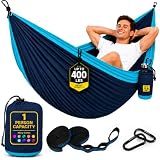
Durable Hammock 400 lb Capacity, Nylon Camping Hammock Chair - Double or Single Sizes w/Tree Straps and Attached Carry Bag - Portable for Travel/Backpacking/Beach/Backyard (Medium, Blue & Light Blue)
- VERSATILE SIZES: ENJOY SINGLE OR DOUBLE OPTIONS FOR ULTIMATE COMFORT.
- COMPACT DESIGN: LIGHTWEIGHT, FOLDS EASILY FOR HASSLE-FREE TRAVEL.
- QUICK SETUP: READY IN MINUTES WITH ALL GEAR INCLUDED FOR CONVENIENCE.


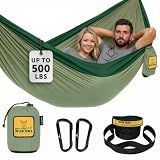
Wise Owl Outfitters Camping Hammock – up to 500lbs Portable Hammock with Tree Straps - Travel, Backpacking, Hiking, Outdoors Camping Gear - Single or Double
- COZY COMFORT FOR TWO: 10 FT HAMMOCK FOR ULTIMATE RELAXATION ANYWHERE.
- ULTRA-DURABLE DESIGN: SUPPORTS 500 LBS WITH TRIPLE-STITCHED SEAMS.
- PACKABLE & LIGHTWEIGHT: WEIGHS JUST 24 OZ FOR BACKPACKING ADVENTURES!
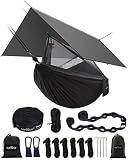
Sunyear Hammock Camping with Rain Fly Tarp and Net, Portable Camping Hammock Double Tree Hammock Outdoor Indoor Backpacking Travel & Survival, 2 Tree Straps,100% Waterproof Black Bundle
- ALL-IN-ONE KIT: INCLUDES HAMMOCK, RAIN FLY, AND ESSENTIAL GEAR.
- DURABLE MATERIALS: MADE WITH TEAR-RESISTANT 210T PARACHUTE NYLON.
- LIGHTWEIGHT & PORTABLE: EASILY PACKS INTO A COMPACT BAG FOR TRAVEL.
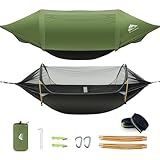
Rivenlo Camping Hammock Tent with Mosquito Net & RainFly, 3 in 1 Waterproof Portable Sleeping Hammock Bug Backpacker Lightweight Outdoor Gear Swing for Hiking Travel Patio Expedition(Dark Green)
-
VERSATILE 3-IN-1 DESIGN: HAMMOCK, TENT, OR TREE HAMMOCK FOR FUN!
-
EFFORTLESS SETUP: EVERYTHING INCLUDED FOR QUICK AND EASY ASSEMBLY.
-
DURABLE YET LIGHTWEIGHT: SUPPORTS 440 LBS, PERFECT FOR OUTDOOR ADVENTURES!
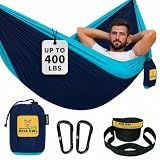
Wise Owl Outfitters Camping Hammock – up to 500lbs Portable Hammock with Tree Straps - Travel, Backpacking, Hiking, Outdoors Camping Gear - Single or Double
-
COMFORT ANYWHERE: ENJOY COZY RELAXATION UNDER STARS OR ON HIKING TRIPS.
-
STRONG & DURABLE: SUPPORTS 400 LBS; ENGINEERED FOR LONG-LASTING USE.
-
ULTIMATE PORTABILITY: WEIGHS 16 OZ; PACKS EASILY FOR ANY ADVENTURE.
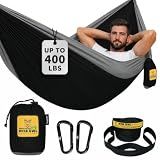
Wise Owl Outfitters Hammock for Camping Single Hammocks Gear for The Outdoors Backpacking Survival or Travel - Portable Lightweight Parachute Nylon SO Black & Grey
-
PORTABLE COMFORT ANYWHERE - RELAX UNDER THE STARS, BY THE FIRE, OR ON HIKES.
-
DURABLE & SPACIOUS DESIGN - SUPPORTS 400 LBS WITH NO SAGGING; PERFECT FOR SOLO USE.
-
EASY SETUP & CARE - INCLUDES STRAPS FOR QUICK SETUP; MACHINE WASHABLE FOR CONVENIENCE.
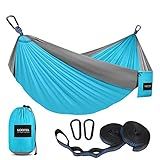
Kootek Camping Hammock 400lbs Capacity Outdoor Camping Essentials, Single | Outside&Indoors, Tree‑Safe Straps, Included Carry Bag, 210T Parachute Nylon, Heavy‑Duty Carabiners, Lightweight & Quick Setup
- ULTIMATE COMFORT: ENJOY RELAXING IN OUR DURABLE, SPACIOUS HAMMOCK.
- EFFORTLESS SETUP: QUICK, ADJUSTABLE SETUP WITH TREE-FRIENDLY STRAPS.
- LIGHTWEIGHT & PORTABLE: COMPACT DESIGN MAKES IT PERFECT FOR TRAVEL.
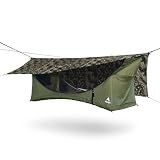
Haven Tent XL Lay-Flat Hammock Tent (Digital Camo) – Spacious Camping Hammock Tent for 1 Person – Includes XL Insulated Pad, Mosquito Net & Rainfly
-
ULTIMATE COMFORT FOR TALL CAMPERS: FLAT, SPACIOUS DESIGN (80X30).
-
WEATHER-READY WITH STEALTH RAINFLY: 4,000MM WATERPROOF CAMO COVERAGE.
-
EFFORTLESS SETUP: ALL-INCLUSIVE KIT PACKS SMALL FOR EASY TRANSPORT.
9 Essential Tips for Camping with a Hammock in 2026 starts with one uncomfortable truth: most bad hammock nights happen in the first 10 minutes of setup, not at 2 a.m. A sag that’s too tight, trees that are too close, or an underquilt you skipped can turn a great campsite into a cold, sleepless lesson.
I’ve spent enough damp mornings adjusting straps with numb fingers to know this firsthand. The good news is that hammock camping has gotten easier in 2026, especially with better suspension systems, lighter bug nets, and smarter tarp shapes. If you want to get camping with a hammock right the first time, these nine tips will save you weight, money, and a lot of midnight frustration.
How we select products: Our team reviews outdoor gear daily, analyzing customer ratings (4.0+ stars minimum), pricing trends, setup complaints, durability feedback, and real buyer reviews across major retailers to surface options that deliver dependable value for actual field use.
Why is hammock camping still growing in 2026?
Hammock camping keeps growing because it solves two problems tents don’t always solve well: uneven ground and packed campsite space. A good hammock for camping can let you sleep above roots, mud, and runoff, while modern fabrics now routinely support 300 to 500 pounds with packed weights around 1.5 to 3 pounds for a full sleep system.
That said, camping in a hammock is less forgiving than tent camping if you skip the fundamentals. The best setup is rarely the lightest one on paper; it’s the one that keeps your back flat, your insulation intact, and your tarp stable in wind.
What should you look for before buying a hammock for camping?
If you’re shopping before your trip, these are the criteria that matter most in real use, not just on product pages.
-
Length: aim for 11 feet if you’re an adult
- An 11-foot hammock camping hammock gives most adults a flatter diagonal lay than shorter models.
- For many sleepers, 10 feet feels workable, but 11 feet is the more reliable comfort baseline.
-
Weight rating: stay well above your body weight
- If you weigh 190 pounds, don’t buy a setup rated at 200.
- A buffer of at least 100 pounds improves durability and reduces stress on stitching and suspension.
-
Suspension width: choose tree-friendly straps
- Straps around 1 inch or wider are far better for bark protection than thin cord systems.
- Many public lands now expect low-impact suspension, and some explicitly ban damaging tie-outs.
-
Insulation compatibility
- A camping hammock tent setup needs room for an underquilt or pad attachment.
- Bottom insulation matters more than many beginners expect because compressed sleeping bags lose much of their warmth underneath you.
-
Bug and rain protection
- Integrated bug nets are convenient in mosquito-heavy areas.
- A tarp with enough side coverage matters more than an extra ounce or two if wind-driven rain is in the forecast.
-
Review thresholds
- For beginners, gear with 4.4+ stars across hundreds of reviews tends to produce fewer complaints about stitching, slipping buckles, and fabric stretch.
Definitive recommendation: For most first-time buyers, the best setup is an 11-foot gathered-end hammock, wide tree straps, a separate tarp, and under-insulation support.
Tip 1: How do you hang a hammock at the right angle for better sleep?
The most reliable target is a 30-degree suspension angle from strap to hammock body. That angle creates enough sag for a flatter diagonal lay, which is the difference between “banana back” and actual sleep.
If you hang too tight, your shoulders pinch and your lower back often arches. If you hang too loose, you may feel folded at the center. For camping in hammock setups, the sweet spot usually puts the seat height around chair level, roughly 18 inches off the ground after you get in.
Pro tip: A common tree spacing range is 12 to 15 feet apart for an 11-foot hammock. Trees closer than that often force a tight hang, while wider spacing may require higher strap placement.
If you want more setup detail, this guide to best hammocks for camping tips is useful for comparing practical suspension choices.
Tip 2: Which trees are actually safe for camping with a hammock?
Healthy trees are non-negotiable. You want trunks at least 6 inches in diameter, no dead branches overhead, and no visible rot, fungus, or root instability near soft banks.
This matters more in camping with hammock setups than many people realize because your entire shelter depends on two anchors. In high-use campgrounds, inspect bark damage too; slick bark and loose outer layers can cause strap slippage, especially after rain.
Avoid:
- Dead standing trees
- Leaning trees with exposed roots
- Trees near widowmakers or broken limbs
- Young thin trees that flex under load
The best anchor pair is usually two live hardwoods or dense conifers with clean spacing and no branch hazards overhead.
Tip 3: Is a tarp mandatory for camping in a hammock?
Yes-if there’s any realistic chance of rain, wind, dew, or falling debris, a tarp is mandatory. A hammock tent camping setup without a tarp is one of the fastest ways to wake up soaked even on a forecast that looked “mostly clear.”
A tarp should extend beyond both ends of the hammock and have enough side coverage for angled rain. For three-season use, many campers find an asym tarp too minimal once gusts pick up past 10 to 15 mph. A full-coverage rectangular or hex tarp is the safer default.
Here’s a quick comparison:
| Shelter style | Best for | Main drawback | Best choice for most campers |
|---|---|---|---|
| Minimal asym tarp | Ultralight fair-weather trips | Weak side protection | No |
| Hex tarp | Good balance of weight and coverage | Slight learning curve | Yes |
| Full rectangular tarp | Storms, winter, high wind | Heavier and bulkier | Yes for rough weather |
If you’re comparing a camping tent hammock setup against ground shelters, this breakdown from Writeas gives a helpful overview of tradeoffs.
Tip 4: Why do people get cold in a hammock even with a warm sleeping bag?
Because the insulation under your body gets compressed flat. In camping in a hammock, cold air moving beneath you creates convective heat loss that surprises even experienced tent campers.
An underquilt is usually the best fix. A sleeping pad can work, but pads tend to slide unless your hammock is designed to hold them in place. Once nighttime temperatures drop below about 60°F, most people notice underbody chill far earlier than expected.
Definitive recommendation: If you plan to sleep below 50°F, prioritize bottom insulation before upgrading almost anything else.
Tip 5: What’s the best budget range for a hammock camping setup in 2026?
Most buyers don’t want the “cheapest possible” option. They want the setup that avoids costly mistakes.
Best starter setups under the low-budget range
Ultra-budget kits can work for one or two casual trips, but this is where review complaints spike: weak carabiners, stretch-prone fabric, and tarps with poor seam performance. If ratings sit below 4.2 stars, return and failure complaints climb fast.
Best for:
- Backyard testing
- Fair-weather overnights
- Borrow-first, buy-later campers
The sweet spot for most campers
This is where value usually peaks. In this range, you’re more likely to get:
- Stronger suspension hardware
- Better stitching consistency
- Tarps with more usable coverage
- Bug net options that don’t snag constantly
For most people interested in hammock camping tents, this is the bracket that makes sense. You’ll notice a jump in comfort and weather reliability without paying a premium for niche ultralight materials.
Premium setups over the entry level
Higher-end systems usually shave weight, improve packability, and handle harsher weather more confidently. They’re worth it if you camp often, hike longer distances, or expect shoulder-season temperatures.
For occasional users, though, premium doesn’t automatically mean better sleep. Fit and insulation matter more than price.
Tip 6: How do you pack a complete hammock camp without overloading your bag?
A practical hammock camping kit should cover sleep, weather, insulation, and campsite efficiency. The mistake I see most often is buying only the hammock body and assuming the rest can be improvised.
Your core kit should include:
- Hammock
- Suspension straps
- Tarp
- Bug protection
- Bottom insulation
- Top quilt or sleeping bag
- Stakes and guylines
Then build around the trip. For hot-weather weekends, a lighter tarp and bug net may be enough. For longer trips, food and camp comfort matter more, and a cooler guide from Fitprops can help if your basecamp is car-accessible.
If you’re adding comfort extras, keep them purposeful. A small light and compact kitchen item can be worth the ounces, and this article on portable blender for camping shows how some campers simplify meals without hauling a full kitchen box.
Tip 7: What do reviews say are the biggest red flags with camping hammock tents?
Review patterns are brutally consistent. The worst camping hammock tents usually fail in the same places: stitching, hardware, and weather coverage.
Watch for these red flags:
- Ratings below 4.2 stars after substantial buyer volume
- Repeated complaints about tearing near gathered ends
- Buckles or cinch systems slipping under normal load
- Tarps described as “fine in mist, useless in real rain”
- Bug net zippers catching every trip
The biggest warning sign is not one bad review-it’s repetition. If a hammock tent camping product has dozens of mentions of seam leaks or overnight sag, assume the problem is real.
💡 Did you know: In user feedback across outdoor gear categories, durability complaints often cluster around the same failure points within the first 3 to 10 uses, which makes early review patterns unusually predictive.
Tip 8: Should you choose a hammock camping chair or a full sleep system?
A hammock camping chair and a sleep hammock serve different jobs, and mixing them up leads to buyer regret. Chair-style models are great for lounging around camp, but they usually don’t offer the length or lay angle needed for overnight comfort.
If your goal is sleeping outdoors, buy a true overnight hammock first. Add hammock camping chairs later if you spend long evenings at camp and want a separate seat that stays dry while your sleep setup remains untouched.
For campsite lighting to pair with your seating area, some campers compare charging options at https://topminisite.com.
Tip 9: How do you camp in a hammock safely in wind, bugs, and shoulder-season weather?
A safe setup starts with tarp orientation. Pitch one side lower into prevailing wind, stake guylines wide, and keep your hammock centered under the ridgeline rather than pushed toward one edge.
For bugs, integrated netting is the easiest option in mosquito-heavy regions. For cooler months, your hammock camping tent should prioritize wind blocking and under-insulation before any “ultralight” goal. Shoulder-season camping can swing 20 degrees or more overnight, and hammocks expose those mistakes quickly.
If you like going deep on source comparisons, you may also run into reference pages like www.google.es or category directories such as see original, but real field testing beats random aggregation every time.
Is a hammock better than a tent for camping in 2026?
For wet, uneven, root-filled terrain, a hammock can absolutely beat a tent. For alpine zones, sparse desert, or places without reliable anchors, tents still win on simplicity.
The best choice depends on where you actually camp. If most of your trips happen in wooded areas, camping with a hammock is often more comfortable once your setup is dialed in. If your terrain changes constantly, a hammock camping tent system with ground capability gives you more flexibility.
Frequently Asked Questions
how to set up a hammock for camping
Start by choosing two healthy trees about 12 to 15 feet apart and attach wide straps high enough to create roughly a 30-degree angle. Then lie diagonally across the hammock, not straight down the center, because that creates a flatter and more comfortable sleeping position.
is camping in a hammock better than a tent
Camping in a hammock is usually better in forested areas with uneven, rocky, or wet ground because you’re sleeping above the terrain. A tent is still the better choice where trees are scarce, wind exposure is high, or local rules restrict hanging setups.
what is the best hammock for camping for beginners
The best beginner option is typically an 11-foot gathered-end hammock with wide tree straps, a simple tarp, and reliable bug protection. Look for models with 4.4+ star ratings and repeated review mentions of easy setup and low overnight sag.
is a camping hammock tent worth it for weekend trips
Yes, a camping hammock tent is worth it for weekend trips if you camp mostly in wooded areas and want faster site selection on uneven ground. It’s less worth it if your trips are in open terrain where finding anchor trees is unreliable.
can you use a sleeping pad in a hammock for camping
Yes, you can use a sleeping pad in a hammock for camping, and it’s often the cheapest way to add bottom insulation. The tradeoff is that pads can shift during the night, so many campers switch to an underquilt after a few trips.