Best Fish Finders to Buy in October 2026
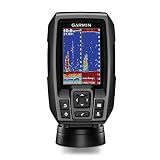
Garmin 010-01550-00 Striker 4 with Transducer, 3.5" GPS Fishfinder with Chirp
-
EXPERIENCE NEAR-PHOTOGRAPHIC SONAR IMAGES OF UNDERWATER OBJECTS.
-
INTUITIVE, EASY-TO-USE INTERFACE WITH CUSTOMIZABLE DISPLAY SIZES.
-
VERSATILE WAYPOINT MAPPING FOR NAVIGATING TO FISHING HOTSPOTS.


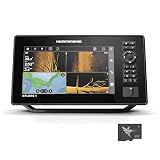
Humminbird XPLORE 9 GPS Fish Finder with Transducer, MEGA Side Imaging+ & HD Touchscreen
- OUTSTANDING IMAGING: MEGA SIDE & DOWN IMAGING+ WITH 200-FT RANGE.
- COMPREHENSIVE GPS: BUILT-IN GPS WITH 10,000+ LAKES AND NAVIONICS CHARTS.
- DYNAMIC MAPPING: AUTOCHART LIVE FOR REAL-TIME DEPTH AND VEGETATION MAPS.
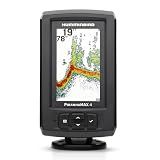
Humminbird PiranhaMAX 4 Fish Finder with Transducer, Dual Beam Sonar
- DUAL BEAM SONAR: FLEXIBLE COVERAGE FOR PRECISE FISH DETECTION.
- TILT & SWIVEL MOUNT: EFFORTLESSLY ADJUST VIEWING ANGLES.
- PIRANHAMAX 4 INCLUDED: COMPREHENSIVE FISH-FINDING SOLUTION!
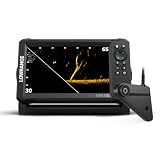
Lowrance Eagle Eye 9 Live Sonar FishFinder/Chartplotter with Transom-Mount Transducer and Preloaded C-MAP Inland Charts, 9-inch IPS Screen, Black, 000-16129-001
-
REAL-TIME SONAR LETS YOU WATCH FISH REACT TO YOUR LURE LIVE!
-
FOUR VERSATILE SONAR MODES FOR EVERY FISHING SITUATION INCLUDED.
-
CRYSTAL-CLEAR 9-INCH DISPLAY ENSURES VISIBILITY IN ANY CONDITIONS.
Lowrance Elite FS 9 Fish Finder with Active Imaging 3-in-1 Transducer, Preloaded C-MAP Contour+ Charts
- ENHANCED SONAR TECH: FISHREVEAL SONAR AND 3-IN-1 TRANSDUCER INCLUDED.
- LIVE TARGETING: REAL-TIME COMPATIBILITY WITH ACTIVETARGET 2 XL SONAR.
- QUICK NAVIGATION: HIGH-DETAIL MAPS HELP FIND KEY FISHING SPOTS FAST.
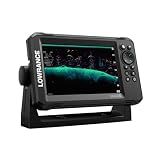
Lowrance Eagle 7 FishFinder/Chartplotter with SplitShot HD Transducer and Preloaded C-MAP Inland Charts, 7-inch IPS Screen, Black, 000-16114-001
-
ULTRA-CLEAR VISIBILITY: HIGH-VIS IPS SCREEN FOR DAYTIME CLARITY AND ANGLES.
-
EFFORTLESS SETUP: RELIABLE TWIST-LOCK FOR QUICK INSTALLATION ON ANY KAYAK.
-
ADVANCED FISH FINDING: ENHANCED SPLITSHOT HD SONAR MAKES SPOTTING FISH EASY!
Lowrance Eagle 5 FishFinder/Chartplotter with SplitShot HD Transducer and Preloaded C-MAP Inland Charts, 5-inch IPS Screen, Black, 000-16111-001
-
CRISP DAYLIGHT VIEWING: HIGH-VIS IPS SCREEN ENSURES CLEAR IMAGES, EVEN IN BRIGHT LIGHT.
-
EASY INSTALLATION: TWIST-LOCK CONNECTOR MAKES SETUP A BREEZE FOR ALL BOATS.
-
ADVANCED FISH DETECTION: ENHANCED SONAR TECHNOLOGY FOR SUPERIOR FISH-FINDING CLARITY.
Navigating the waters has become increasingly sophisticated, thanks in part to advances in fish finder technology. A critical component of modern fish finders is the transducer, which plays a vital role in how these devices function. Knowing what transducers are and how they can affect your fishing experience is crucial for selecting the right fish finder in 2026.
Understanding Transducers
A transducer is a device that converts one form of energy into another. In the context of fish finders, the transducer converts electrical signals into sound waves and vice versa. These sound waves travel through the water, bouncing back upon hitting objects such as fish, vegetation, or the seabed. The returned signals allow the fish finder to create a visual representation of what lies beneath the water surface.
Importance of Transducers in Fish Finders
The transducer is essentially the "eyes" of the fish finder. The clarity, depth, and range of the underwater details you see on your fish finder largely depend on the quality of the transducer. The better the transducer, the more accurate and detailed the information you receive. This is why understanding transducer specifications is a crucial step in choosing the right fish finder for your needs.
Types of Transducers
In 2025, fish finder transducers come in various types, each offering unique benefits:
1. Single Frequency Transducers
Single frequency transducers typically operate within a lower frequency range. They are well-suited for deeper waters but might not provide the high detail necessary for structures or fish in shallower depths.
2. Dual Frequency Transducers
These transducers offer both high and low-frequency options, providing versatility for various fishing environments. They offer a balance between depth capability and detailed imagery.
3. CHIRP Transducers
CHIRP (Compressed High-Intensity Radar Pulse) technology emits a continuous sweep of frequencies, providing superior resolution and clarity compared to single frequency counterparts. They are ideal for detailed target separation and are beneficial in both shallow and deep waters.
Key Considerations for Choosing a Fish Finder in 2026
Frequency
Consider your fishing environment. Shallow water typically benefits more from higher frequency transducers, while deeper waters require lower frequencies.
Cone Angle
The cone angle of a transducer determines how wide the beam sent into the water is. Wider cones cover more area, while narrower cones provide more detail.
Power Rating
Higher power transducers can provide better depth penetration and clearer images, especially in challenging conditions.
Installation
Consider ease of installation depending on your vessel's capabilities. For advice on installing a fish finder transducer, you may refer to this install fish finder transducer guide.
Maintaining Your Fish Finder
To ensure longevity and performance, regular maintenance of your fish finder-especially the transducer-is necessary. Proper handling and storage are crucial to avoid damage. Learn more about maintaining and storing fish-related equipment, for instance, properly freezing cooked fish, to ensure their operative conditions.
Conclusion
Choosing the right transducer for your fish finder in 2026 involves understanding your specific fishing needs and the operational environment. By considering factors such as frequency, cone angle, and power, you can select a transducer that enhances your fishing adventures. For more general information on enhancing your aquatic environments with fish or plants, you may visit adding fish or plants to a garden water.
With advancements in technology, modern transducers ensure a more informed and successful fishing experience, making your time on the water both productive and enjoyable.