
Best Camera Lens Cleaners in October 2026
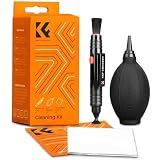
K&F CONCEPT 4 in 1 Camera Lens Cleaning Kit for Photography Beginner
-
COMPREHENSIVE KIT: INCLUDES BLOWER, PEN, AND MICROFIBER CLOTHS FOR ALL NEEDS.
-
SAFE CLEANING: GENTLE ON LENSES, SENSORS, AND ALL ELECTRONIC DEVICES.
-
DURABLE & REUSABLE: LONG-LASTING MATERIALS; MACHINE WASHABLE MICROFIBER CLOTHS.


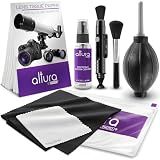
Altura Photo Camera Lens Cleaning Kit, Lens Cleaner for DSLR & Mirrorless
- ALL-IN-ONE KIT FOR AFFORDABLE, COMPLETE LENS CLEANING SOLUTION.
- ALCOHOL-FREE CLEANER ENSURES SAFE, STREAK-FREE RESULTS EVERY TIME.
- COMPATIBLE WITH ALL CAMERA BRANDS: PERFECT FOR EVERY PHOTOGRAPHER.
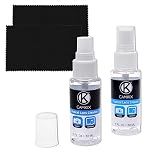
Camkix Lens and Screen Cleaning Kit - 2X Cleaning Spray 2X Microfiber Cloth - Perfect to Clean The Lens of Your DSLR and Compatible with Your Camera, Smartphone, Tablet, Notebook, etc.
-
EFFORTLESS CLEANING: JUST SPRAY AND WIPE FOR A CRYSTAL-CLEAR FINISH!
-
UNIVERSAL SOLUTION: SAFE FOR ALL CAMERA LENSES AND SCREENS, ANY BRAND!
-
MULTI-DEVICE VERSATILITY: CLEANS EVERYTHING FROM SMARTPHONES TO TVS!
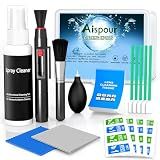
Aispour Camera Lens Cleaning Kit, 10-in-1 Camera Cleaning Kit
- COMPLETE CLEANING KIT: 9 ESSENTIAL TOOLS FOR PROFESSIONAL RESULTS.
- SOFT, RETRACTABLE BRUSH KEEPS LENSES AND SENSORS SCRATCH-FREE.
- SATISFACTION GUARANTEE: EMAIL US FOR SUPPORT AND EASY RETURNS.
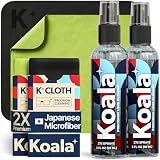
Koala Eyeglass Lens Cleaner Spray Kit | Japanese Microfiber (4 Piece Set)
- STREAK-FREE CLEANING FOR GLASSES AND SCREENS-EFFORTLESSLY CRYSTAL CLEAR!
- ULTRA-DENSE MICROFIBER CLOTH PROTECTS LENSES WHILE ENSURING SPOTLESS RESULTS.
- USA-MADE, SAFE FORMULA FREE FROM HARMFUL CHEMICALS-TRUST KOALA QUALITY!
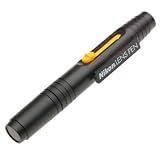
Nikon 7072 Lens Pen Cleaning System, Black
- EFFECTIVE LENS CLEANER: REMOVES DUST, FINGERPRINTS, AND DEBRIS.
- DURABLE AND LONG-LASTING DESIGN FOR CONSISTENT PERFORMANCE.
- COMPATIBLE WITH ALL CAMERAS, BINOCULARS, AND OPTICAL PRODUCTS.
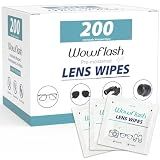
200 Count Pre-Moistened Lens Wipes for Eyeglasses
- GENTLE FORMULA: EFFECTIVELY REMOVES DIRT WITHOUT HARMING LENSES.
- SCRATCH-FREE CLEANING: ENJOY STREAK-FREE RESULTS EVERY TIME.
- TRAVEL-FRIENDLY: INDIVIDUALLY WRAPPED FOR CLEANING ON-THE-GO.
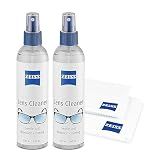
ZEISS Lens Cleaning Kit – (2) 8 oz Lens Spray & Microfiber Cloths
-
ACHIEVE A STREAK-FREE FINISH WITH ZEISS CLEANER AND CLOTH COMBO.
-
SAFE FOR ALL LENS TYPES, INCLUDING ANTI-REFLECTIVE AND BLUE LIGHT.
-
GENTLE FORMULA IS AMMONIA-FREE AND REUSABLE FOR EFFECTIVE CLEANING.
3 Safe Camera Lens Cleaner Tips in 2026 matter more than most photographers realize, because a single bad wipe can leave micro-scratches that show up as flare, haze, or loss of contrast in backlit shots. I’ve seen lenses come in with coating damage caused not by drops or impact, but by something as simple as a dusty T-shirt wipe after a beach session.
That’s the frustrating part: modern lens coatings are tougher than they were a decade ago, but they’re also expensive to replace. A basic front-element cleaning mistake can turn a 30-second maintenance job into a repair bill-or permanent image degradation you notice every time you shoot into sunlight.
If you want cleaner glass without risking the coating, fungus spread, or grit scratches, this guide breaks down the 3 Safe Camera Lens Cleaner Tips in 2026, the exact tools worth using, what to avoid, and which options make sense by budget.
How we select products: Our team reviews lens-care products and cleaning tools by analyzing buyer feedback, build quality, material safety, packaging hygiene, and rating trends. We prioritize tools with 4.0+ star average ratings, strong repeat-buyer feedback, and designs that reduce contamination risk during real-world camera maintenance.
Why do so many lens-cleaning mistakes still happen in 2026?
Most lens damage still comes from dry rubbing dust into the coating, not from the cleaning fluid itself. Fine silica particles from sidewalks, trails, and beach spray are harder than people think, and if you push them across the front element with pressure, you’re essentially sanding the glass.
The second big issue is contamination. Reused microfiber cloths often hold skin oil, pocket lint, and old grit from your camera bag, which means the cloth meant to protect your lens becomes the thing that scratches it.
Here’s the thing: safe lens cleaning isn’t about scrubbing harder. It’s about removing debris in the right order.
What are the 3 Safe Camera Lens Cleaner Tips in 2026 that actually protect coatings?
1) Blow off loose dust before anything touches the glass
If you remember only one part of 3 Safe Camera Lens Cleaner Tips in 2026, make it this one. Use a manual air blower first, because dust removal without contact is the safest step in the entire process.
A few squeezes at an angle usually remove the particles most likely to cause scratches. Hold the lens facing slightly downward so gravity helps, and avoid compressed aerosol cans because propellant residue can spot the lens surface.
Best practice sequence:
- Remove the lens cap and inspect under bright side light
- Use a manual air blower from 2 to 4 inches away
- Angle the lens downward to let grit fall away
- Repeat before using any brush, pen, cloth, or cleaning solution
Pro tip: If you can see sand or gritty particles, don’t jump straight to a microfiber cloth. Even premium cloth fibers can drag a hard grain across the coating and create faint circular marks.
2) Use a clean microfiber cloth or single-use lens tissue with minimal fluid
The second rule in 3 Safe Camera Lens Cleaner Tips in 2026 is controlled contact. Once loose debris is gone, use a fresh microfiber lens cloth or a sterile lens tissue, then add a small amount of lens cleaning solution to the cloth-not directly onto the lens.
This matters because overspraying can push liquid toward the lens edge, where it can creep into retaining rings or collect around seals. For fingerprints, two to three drops is usually enough for a full-frame front element; smaller lenses often need even less.
Use light circular motions from the center outward, then finish with a dry area of the cloth. If oily smears remain after one pass, switch to a clean section instead of rubbing the same dirty patch over and over.
For newer photographers who are still building maintenance habits, a guide to using professional camera lenses is a useful companion read because handling and cleaning technique often go hand in hand.
3) Match the cleaner to the contamination, not just the lens
The third of the 3 Safe Camera Lens Cleaner Tips in 2026 is the one most buyers miss: not every mark needs the same tool. Dust, fingerprints, salt spray, and dried raindrops behave differently, and using one universal method for all of them increases cleaning risk.
For example:
- Dry dust: manual blower first, then soft lens brush only if needed
- Fingerprints and facial oil: microfiber cloth with a tiny amount of optical cleaning fluid
- Salt spray or dried water spots: lightly dampened lens tissue, followed by a dry wipe
- Sticky residue near filter threads: clean around the area carefully, avoiding fluid runoff
If you shoot instant cameras or older coated optics, cleaning can require a gentler touch. This practical resource from Aryalinux covers some useful handling nuances for more delicate lens surfaces.
How we picked these safe lens-cleaning recommendations
I based these recommendations on the same routine photographers use in the field and at the workbench: remove grit first, use the least aggressive contact possible, and limit fluid exposure. That sequence consistently reduces coating damage, smear complaints, and over-cleaning.
We also looked at:
- Average review thresholds: tools under 4.0 stars tend to show more complaints about shedding fibers, leaking bottles, or weak air pressure
- Packaging hygiene: sealed cloths and protected tips reduce contamination
- Ease of replacement: single-use or washable components matter if you clean gear weekly
- Travel practicality: compact tools are more likely to be used correctly in the field
For readers comparing full kits versus separate tools, this roundup on Blogspot gives broader kit context.
What should you look for in a safe camera lens cleaner in 2026?
Choosing a camera lens cleaner kit is easier when you use hard criteria instead of marketing claims. Here are the five specs that actually matter.
1. Is the cloth truly lens-safe and tightly woven?
Look for microfiber cloths designed for optical glass, not general screen cloths or eyeglass wipes with unknown additives. Cheap cloths often shed fibers after a few washes, and those fibers trap grit.
A good sign is repeat feedback that the cloth leaves minimal lint after dozens of uses. If users mention streaking in more than a small handful of reviews, skip it.
2. Does the cleaning fluid say it’s safe for coated optics?
You want fluid intended for multi-coated lens surfaces. Avoid household glass cleaners, alcohol mixes with vague ingredients, and any formula that leaves a visible residue after drying.
The best lens cleaning fluid evaporates cleanly and works with just a few drops. More fluid is not better; it usually means more streaking and more risk at the lens edges.
3. Is the blower strong enough to move grit without touching the lens?
A weak air blower sounds harmless, but if it barely shifts dust, you’ll be tempted to wipe too early. A properly designed blower should clear common particles from the front element in a few squeezes.
For outdoor photographers dealing with trail dust or sea spray, blower performance matters more than flashy extras in a kit.
4. Are replacement parts easy to keep hygienic?
Single cloths tossed loose into a camera bag can pick up grit within days. The better kits store cloths, tissues, and brush heads in separate sleeves or compartments.
If you travel often, a sealed setup from a retailer like learniverse.writeas.com may be more practical than piecing together random accessories.
5. Does it make over-cleaning less likely?
A smart lens cleaning kit helps you clean only when needed. That means small bottles, clear instructions, and tools that encourage a blower-first routine instead of turning every smudge into a full scrub session.
Best safe camera lens cleaner options by budget in 2026
Most photographers don’t need an oversized kit. They need the right 2 to 4 tools that match how often they shoot.
Best options under $25: simple tools that handle 80% of real cleaning
At the entry level, the safest setup is usually:
- A manual air blower
- One or two sealed microfiber cloths
- A small bottle of optical cleaning solution
This combo handles dust, fingerprints, and light smears for casual shooters. If you photograph indoors, street scenes, or family events, it’s often enough for months of use.
The $25-$50 sweet spot: better storage, cleaner workflow, fewer contamination mistakes
This range is where kits usually improve. You start seeing separate storage compartments, better brush quality, and cleaner bottle designs that don’t leak into your bag.
For enthusiasts who shoot every week, that upgrade matters. Cleaner storage means the cloth touching your lens today isn’t carrying grit from a hike two weekends ago.
Premium picks over $50: worth it only if you maintain multiple lenses often
Above $50, you’re paying for completeness and convenience more than radically better cleaning performance. These kits can make sense if you manage several lenses, filters, and sensor-adjacent accessories, but they’re overkill for many hobbyists.
If you’re also shopping for optics, timing your purchase around accessory bundles or prime camera lenses deals can stretch the budget further.
What review patterns reveal bad lens cleaners fast?
Review patterns tell you more than product descriptions. The biggest warning sign is a cluster of complaints about streaking, leaking, or cloth contamination within the first 50 to 100 reviews.
Here are the red flags I pay attention to:
- Average rating below 4.2 stars: quality inconsistency rises sharply here
- Repeated “left residue” complaints: usually a fluid formulation issue
- Mentions of strong odor: can indicate harsh solvents or poor sealing
- Photos showing lint on the lens: often a cloth quality problem
- Brush bristles falling out: unacceptable for optical maintenance
💡 Did you know? Front-element smudges usually have less effect on image sharpness than many people expect, but scratches and coating damage can worsen flare and contrast in every backlit scene. That’s why safe technique matters more than constant cleaning.
If you like comparing gear-adjacent references and broader maintenance discussions, you can skim the full article here for additional context.
How often should you actually clean a camera lens?
Less often than most people do. If a lens has a few dust specks but no visible smear in photos, leave it alone.
Frequent unnecessary wiping increases wear risk over time. In practical use, many photographers only need a real front-element cleaning every few shoots, unless they work in salt air, rain, dust, or event environments where fingerprints happen constantly.
A sensible routine looks like this:
- Inspect before and after each shoot
- Blow off dust as needed
- Clean smudges only when visible
- Wash or replace cloths regularly
- Store cleaning tools in sealed pouches
Oddly enough, unrelated product pages sometimes demonstrate why source quality matters online; for example, this view page is a reminder to verify that lens-care advice actually comes from optics-specific sources.
Why the 3 Safe Camera Lens Cleaner Tips in 2026 beat old-school hacks
Older advice-breathing on the lens, using shirt fabric, or cleaning with whatever wipe is nearby-survives because it sometimes appears to work. The problem is cumulative damage: one shortcut may not ruin a lens, but repeated bad habits often show up months later as swirls, haze, and harder-to-remove residue.
That’s why the 3 Safe Camera Lens Cleaner Tips in 2026 focus on order, tool hygiene, and minimal contact. They reduce risk whether you shoot mirrorless bodies, DSLRs, compact travel cameras, or specialty lenses with sensitive coatings.
Your single most important buying criterion is simple: pick a cleaner system that helps you avoid touching the lens until loose grit is gone. If the kit encourages a blower-first workflow and keeps cloths uncontaminated, you’re already making the safest choice.
Frequently Asked Questions
what is the safest thing to use to clean a camera lens?
The safest setup is a manual air blower, followed by a clean microfiber lens cloth or lens tissue with a small amount of coating-safe lens cleaning fluid. Always remove loose dust first, because wiping dry grit across the glass is what causes many scratches.
can i use eyeglass cleaner on my camera lens?
Usually, no. Many eyeglass cleaners contain additives, fragrances, or anti-fog ingredients that can leave residue or interact poorly with camera lens coatings, so a fluid made specifically for coated optics is the safer option.
how do i clean a camera lens without scratching it?
Start with a blower, inspect the glass under angled light, and only then use a fresh cloth with two or three drops of optical cleaner. Use light pressure from the center outward, and switch to a clean cloth section if the smear remains.
are camera lens cleaning kits worth buying in 2026?
Yes, if the kit includes a strong blower, lint-free cloths, and coating-safe fluid stored hygienically. They’re most worth it for photographers who shoot weekly, travel often, or maintain more than one lens.
how often should i clean my camera lens for best results?
Only when you see fingerprints, dried spots, or residue that could affect flare or contrast. For many users, blowing off dust after each outing and doing a wet clean only occasionally is the safer long-term routine.